
How to Assess Your Storage Needs Before Buying an Almirah: A Complete Sizing Guide
09 Nov 2026
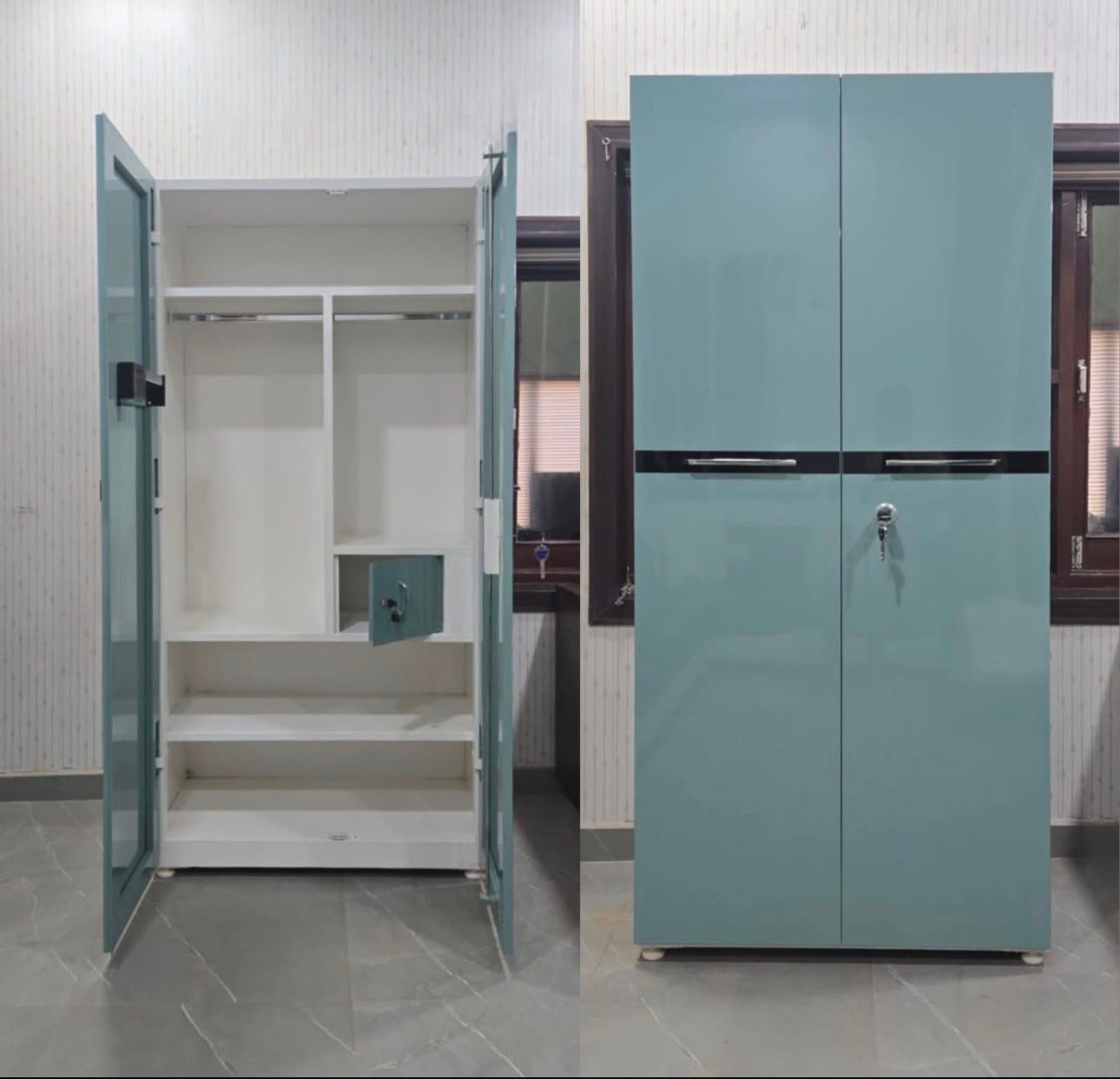
₹25,500 View Product |
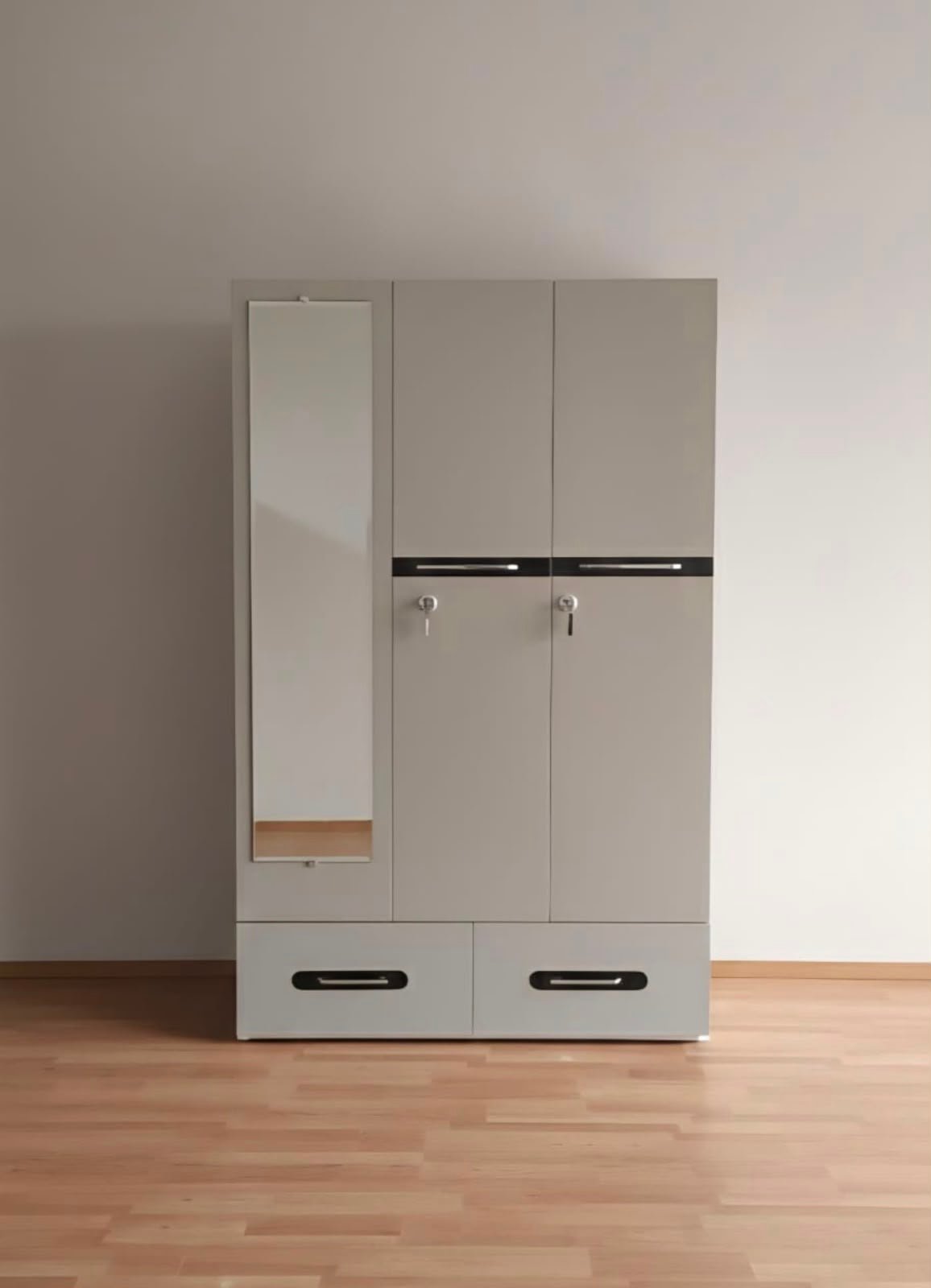
₹42,000 View Product |
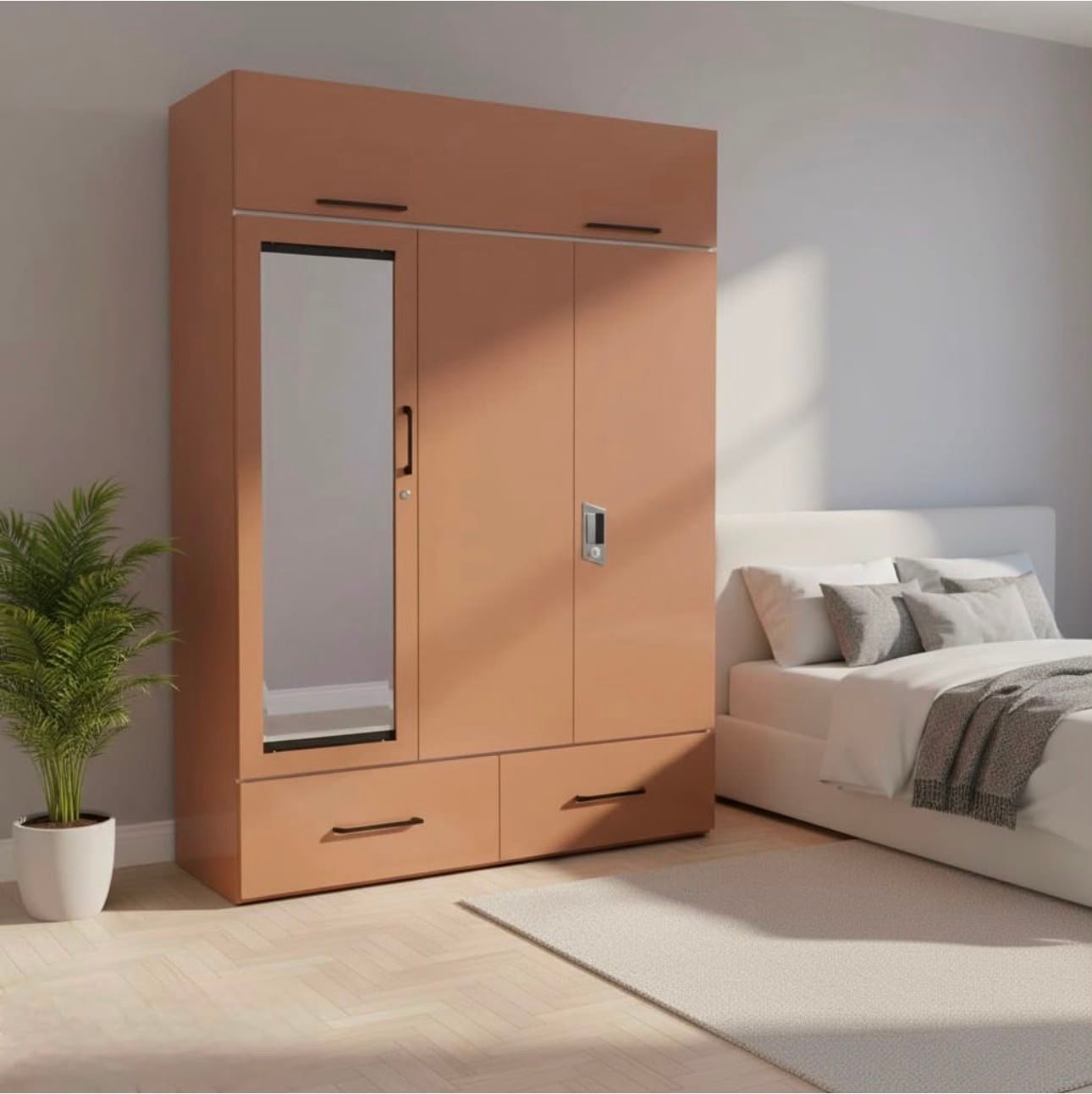
₹55,500 View Product |
Finding the right wardrobe often begins with measuring available floor space, but the interior capacity of the unit dictates how neat and stress-free your bedroom will remain. When homeowners struggle with overflowing piles of clothing or cluttered tops of cabinets, the problem is rarely an untidy habit; it is usually an mismatch between daily belongings and furniture configuration. To choose an almirah based on storage needs, you must analyze your wardrobe habits, organize your inventory into practical categories, and map out interior compartments before making a purchase.
1. Conduct an Honest Wardrobe Audit
Before browsing any catalogue, evaluate what you actually plan to store inside your wardrobe. Most people underestimate the sheer volume of their clothing, linens, and accessories. Setting aside an hour to review your current items provides clarity on the primary storage capacity you require.
Divide your belongings into four fundamental categories:
- Long-hanging garments: Sarees, formal suits, coats, long dresses, and kurtas that wrinkle easily and require uninterrupted vertical clearance.
- Short-hanging garments: Shirts, blazers, and folded trousers that can hang comfortably without demanding a full-length compartment.
- Folded items: T-shirts, daily denim, knitwear, nightwear, and casual cotton apparel that sit best on flat shelves.
- Valuables, documents, and compact accessories: Watches, jewellery, passports, official paperwork, and smaller daily essentials that demand secure internal lockers or compact pull-out drawers.
Once you visualize the ratio of hanging apparel to folded garments, choosing between shelf-heavy configurations and hanging-focused layouts becomes straightforward.
2. Determine Who Is Using the Storage Space
Storage demands vary significantly based on household dynamics. A wardrobe designed for a single professional functions quite differently from an almirah shared by a couple or allocated to a bustling guest room.
Individual Use
For single-person bedrooms, guest suites, or compact bachelor apartments, a streamlined unit like the 3601 delivers an efficient footprint. Dedicated individuals usually benefit from a tidy split between everyday folded clothes and a focused hanging rod for work attire. When only one person accesses the wardrobe, vertical zoning can be tailored strictly to their height and daily dressing routines.
Couples and Shared Rooms
When two individuals share a single piece of furniture, the internal layout must provide fair division to prevent daily frustration. Separate hanging rails and dedicated shelving zones are essential so that neither person’s belongings encroach on the other. Shared use often justifies upgrading to mid-size or expansive formats. Selecting a configuration with an integrated mirror, such as the 4806 MIRROR, adds double duty by doubling as a dressing hub while preserving independent interior compartments for two distinct wardrobes.
Family and Multi-Generational Storage
Larger households that combine seasonal bedding, winter quilts, travel luggage, and traditional celebration garments need expansive solutions. Units like the broad 6001 provide generous horizontal and vertical room, allowing families to allocate upper compartments to bulky blankets while dedicating the lower shelves and hanging sections to regular rotations.
3. Balancing Hanging Rail Space Against Shelving
One of the most frequent missteps in wardrobe planning is buying a layout dominated by hanging rails when most of your apparel consists of everyday folded wear, or vice versa.
When You Need More Shelving
If your daily wardrobe consists predominantly of casual trousers, denim, knitwear, and activewear, folded storage is far more space-efficient than hanging rails. Shelving lets you stack clothing neatly, allowing multiple garments to occupy the exact same vertical column. Adjustable or evenly spaced shelves ensure that stacks stay manageable without toppling over.
When You Need Generous Hanging Space
Formal work shirts, ironed trousers, ethnic attire, and tailored coats deteriorate rapidly if crammed onto tight shelves. If you prefer to iron your clothing in bulk at the start of the week, hanging rails save precious morning preparation time. Check that your chosen almirah provides adequate vertical drop so that the hems of longer outfits do not pool and crease at the base of the rail.
4. Planning for Bulky Items and Off-Season Storage
A functional almirah must accommodate more than just the current week's outfits. Consider where you will stow seasonal items during warmer or colder months:
- Monsoon and Winter Linens: Heavy blankets, duvets, and sweaters require deep, sturdy upper shelves where they can remain enclosed and dust-free until required.
- Occasion Wear: Costly wedding outfits, heavy silks, and seasonal festive wear should be kept isolated from daily reach to preserve fabric texture and prevent accidental snagging.
- Luggage and Bags: Stashing backpacks, cabin suitcases, and duffel bags inside your primary almirah keeps bedroom floors uncluttered and creates a cohesive look.
By mapping out off-season storage beforehand, you can reserve topmost compartments for infrequently accessed essentials, keeping your waist-to-eye-level shelves free for daily grab-and-go convenience.
5. Aligning Almirah Proportions with Bedroom Layout
Storage capacity should never come at the expense of comfortable bedroom circulation. An almirah that provides massive interior volume is impractical if its hinged doors block your pathway or collide with bedside tables. Take careful measurements of wall clearance, ceiling height, and door swings before finalising your selection.
Explore the full range of configurations on our shop page to compare different widths and heights, ensuring the unit fits your physical room dimensions while meeting your capacity targets.
6. Prioritising Security and Safe Keeping
In many Indian homes, an almirah functions as both an apparel organizer and a secure vault for household documents, gold jewellery, and cash reserves. When evaluating internal storage, examine the lockable features:
- Internal Lockers: Built-in lockable vaults tucked behind main doors offer a secondary layer of privacy and peace of mind.
- Concealed Drawers: Useful for organizing precious accessories, watches, and sensitive paperwork out of plain view.
- Robust Locking Mechanisms: Dependable locks on exterior doors safeguard both everyday privacy and essential household assets.
For more organization strategies and home care advice, visit our storage ideas blog to read helpful styling and maintenance insights.
Summary: Making the Confident Choice
Choosing the ideal almirah requires balancing current clothing volume, shared versus individual routines, and necessary safety features. By accurately auditing your wardrobe, balancing hanging capacity against shelving, and accounting for seasonal storage, you can invest in an almirah that keeps your bedroom neat, functional, and organized for years to come.