
Almirah Interior Organization: How to Arrange Clothes for Maximum Space and Ease
13 Nov 2026
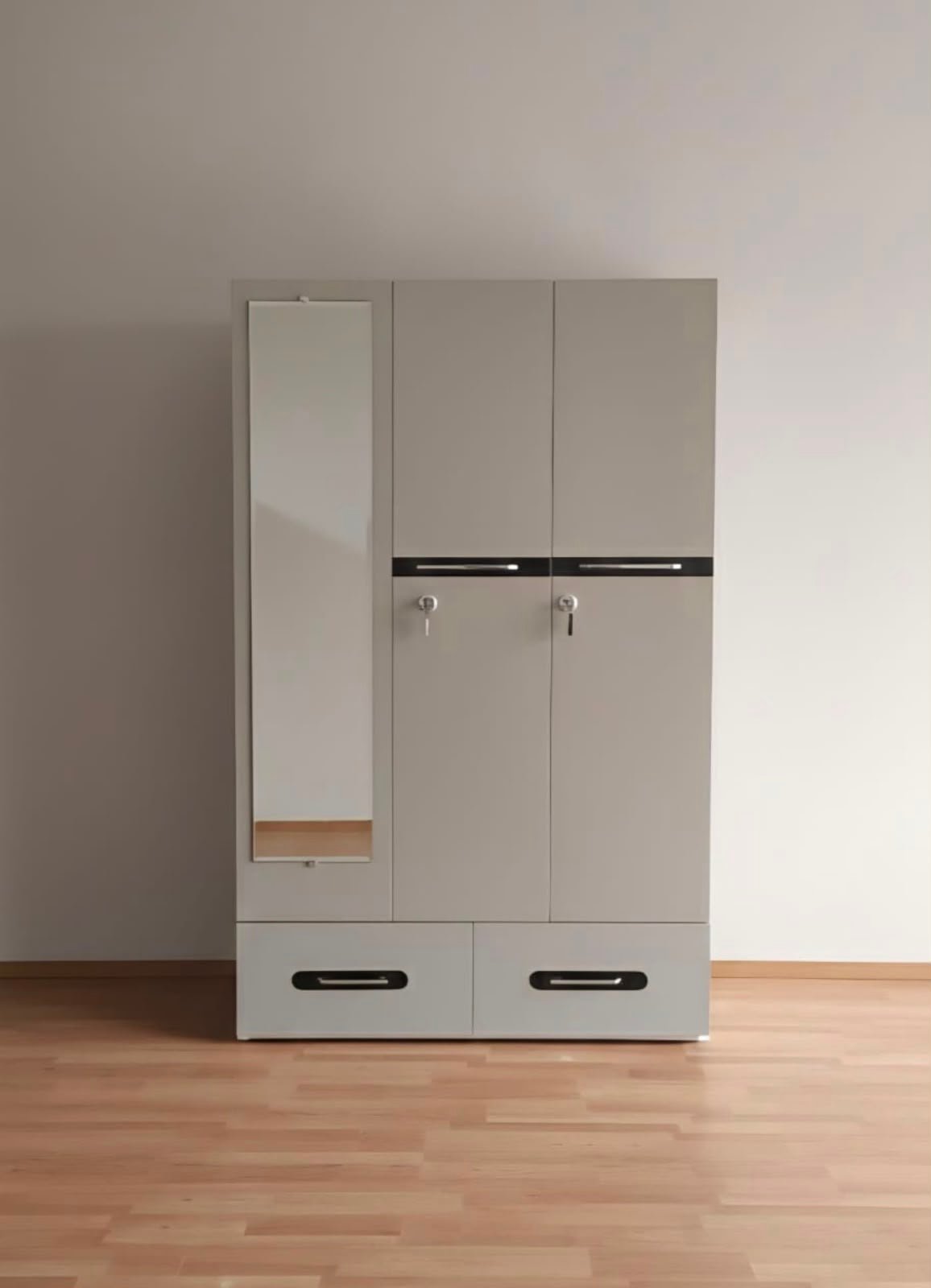
₹42,000 View Product |
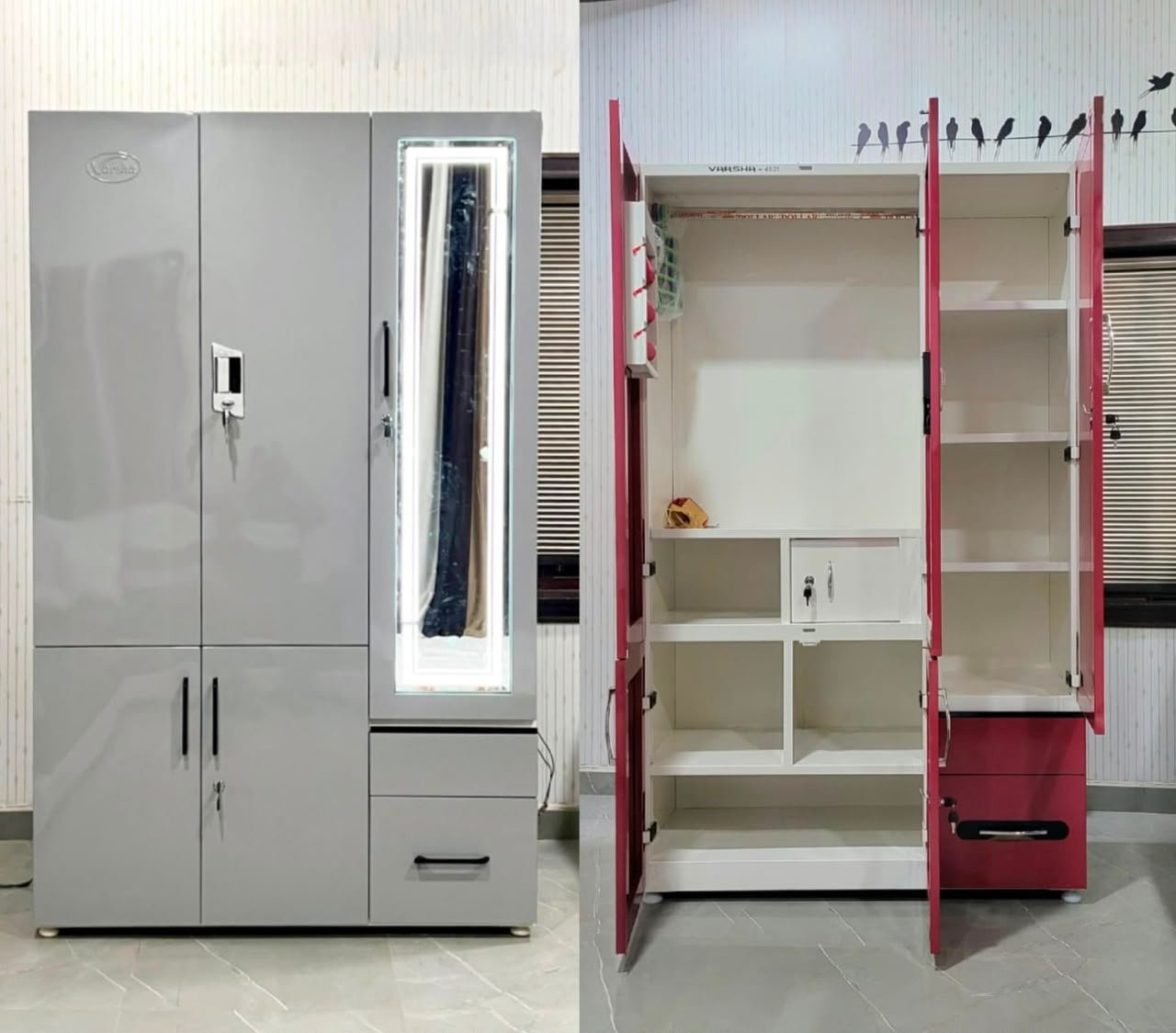
₹43,000 View Product |

₹55,500 View Product |
Opening your almirah in the morning should feel simple, quick, and stress-free. In reality, many of us face stacks of clothes leaning against each other, wrinkled formal wear wedged between casual outfits, and small accessories buried in dark corners. When an almirah lacks a clear organizational system, even the largest wardrobe quickly begins to feel cramped.
Organizing clothes inside an almirah is not about buying dozens of expensive gadgets or achieving showroom-level perfection. It is about building a functional, repeatable layout tailored to your daily routine. By establishing dedicated storage zones, pairing garments with the right folding or hanging methods, and adopting simple maintenance habits, you can transform your cupboard into a tidy, accessible space.
Start with a Thorough Wardrobe Audit
Before rearranging a single shelf, you need a clear picture of what you actually own. Attempting to organize around clutter only leads to the same mess within a few weeks.
Empty and Categorize
Remove everything from your almirah onto a clean bed or table. Sort your items into clear categories:
- Daily essentials: Workwear, casual daily wear, and loungewear used every week.
- Occasional and ethnic wear: Heavy sarees, sherwanis, blazers, and party attire worn a few times a year.
- Seasonal items: Winter woolens, thermal wear, or lightweight summer blankets.
- Undergarments and small accessories: Socks, dupattas, belts, ties, and innerwear.
- Items to donate, mend, or discard: Clothes that no longer fit, garments needing repair, or pieces you haven't worn in over a year.
Once you reduce the volume of unused clothing, you will instantly free up valuable shelf real estate, making the next steps significantly easier.
Map Your Almirah into Functional Storage Zones
A well-organized almirah relies on ergonomic zoning. Grouping your clothing by access frequency ensures your most-used items sit within comfortable reach while less frequent items stay out of the way.
The Upper Loft and Top Shelves (Infrequent Use)
The highest shelves in an almirah are typically above eye level. Reserve this space for items you rarely touch:
- Off-season clothing packed in breathable storage bags.
- Heavy seasonal blankets, extra bed linen, or spare pillows.
- Luggage or travel bags.
By keeping bulky, low-frequency textiles up top, you preserve prime reachable space for your day-to-day wardrobe.
The Mid-Level and Eye-Level Shelves (Daily Staples)
The shelves located between chest and waist height are your prime storage zone. What you place here determines how smoothly your morning routine runs. Use these shelves for:
- Weekly office wear or daily casual outfits.
- Neatly folded everyday t-shirts, casual shirts, and tops.
- Jeans, trousers, and daily pants.
Keep stacks relatively modest—around four to five garments high. Towering stacks inevitably topple over when you pull an item from the bottom.
The Hanging Section (Formals and Wrinkle-Prone Garments)
Hanging rods provide vertical storage that protects fabrics from creasing. Utilize your hanging space for garments that require crisp presentation:
- Formal button-down shirts and tailored trousers.
- Blazers, suit jackets, and delicate evening dresses.
- Ironed kurtas and long tunics that wrinkle easily when folded.
To keep this space neat, use uniform hangers facing the same direction. Group similar clothing types together—all formal shirts in one section, followed by trousers and jackets—so finding what you need takes only seconds.
Lower Shelves and Drawers (Small Wear and Base Storage)
The bottom compartments and built-in almirah drawers are best suited for smaller items that easily get lost on open shelves:
- Innerwear, socks, and handkerchiefs separated into small fabric baskets or drawer inserts.
- Dupattas, stoles, and scarves folded or rolled compactly.
- Locker compartments or secure inner vaults for jewellery, important documents, and family heirlooms.
Folding vs. Hanging: Choosing the Right Technique
Not all clothes should be treated the same way. Matching the garment type to the proper storage technique prevents fabric stretching and saves considerable volume.
When to Hang
Hang items made from cotton, linen, silk, or blended suit fabrics that wrinkle easily. When hanging trousers, you can use clamp hangers or drape them cleanly over the horizontal bar of a sturdy coat hanger. Avoid hanging heavy knitwear or sweaters, as gravity will stretch the shoulders and distort their shape over time.
When to Fold (and the File-Fold Method)
Heavier fabrics and knits should always be folded. While traditional horizontal stacking works for jeans and heavy pullovers, lighter everyday items like t-shirts, activewear, and pyjamas benefit from file-folding. In file-folding, garments are folded into compact, self-standing rectangles and placed side-by-side like files in a cabinet drawer or shallow storage bin. This method allows you to see every item at a glance without disturbing adjacent clothes.
Organizing Sarees and Delicate Ethnic Wear
In Indian households, caring for traditional ethnic wear is a vital part of almirah management. Heavy embroidery, zari borders, and delicate silk fabrics require mindful handling to prevent fabric degradation.
- Use breathable fabric bags: Never store silk sarees or embellished lehengas in non-porous plastic covers, which can trap humidity. Opt for pure cotton or muslin saree covers.
- Refold periodically: Silk garments kept in rigid folds for prolonged periods can develop permanent crease lines. Take them out every few months, let them breathe, and refold along different lines.
- Separate embellishments: Ensure heavy zardozi or stone-worked outfits are wrapped so metallic threads do not catch and pull on delicate silks nearby.
Practical Storage Accessories That Maximize Space
You do not need an elaborate remodel to upgrade your storage capacity. A few simple additions can help keep individual compartments orderly:
- Fabric bins and drawer organizers: Ideal for containing innerwear, gym gear, or small accessories inside wide shelves.
- Shelf dividers: Clear acrylic or fabric-wrapped dividers prevent stacks of folded clothing from leaning into one another.
- Hanging fabric shelves: If your almirah has a generous hanging section but fewer horizontal shelves, a collapsible hanging organizer adds instant vertical shelving for lightweight tees or accessories.
Daily and Seasonal Habits to Maintain Order
Even the most meticulously arranged cupboard requires regular care to stay organized. Implementing simple habits prevents clutter from creeping back:
- The 2-minute laundry return: When putting away fresh laundry, resist the temptation to shove garments onto any open shelf. Place each item directly into its assigned zone.
- Follow the one-in, one-out principle: When you purchase a new outfit, consider donating or retiring an older item you rarely reach for to keep volume balanced.
- Seasonal changeovers: Twice a year, rotate your wardrobe. Move heavy winter wear to upper shelves ahead of summer, and bring cooler fabrics to your eye-level shelves.
Choosing the Right Almirah for Your Storage Needs
If your clothes remain overcrowded despite thorough decluttering, your current wardrobe layout may simply be undersized for your household. Upgrading to a spacious modern steel almirah with well-proportioned interior shelves, hanging rods, and secure locker drawers can give your wardrobe the structure it needs.
Explore our wide selection on the Varsha Almirah shop to find models tailored to modern Indian bedrooms. For instance, the Varsha 4806 MIRROR combines generous internal capacity with a convenient full-length exterior mirror. If you prefer contemporary design highlights, the Varsha 4801 LED delivers stylish aesthetics alongside practical everyday utility. For large families needing maximum volume, a spacious multi-door model like the Varsha 6001 offers expansive shelving and hanging options to keep everyone's wardrobe organized in one place.
For more home organization ideas, storage advice, and wardrobe maintenance guides, visit our Varsha Almirah blog.