
Mastering Wardrobe Organization: How to Organize Clothes Inside Your Almirah Efficiently
09 Nov 2026
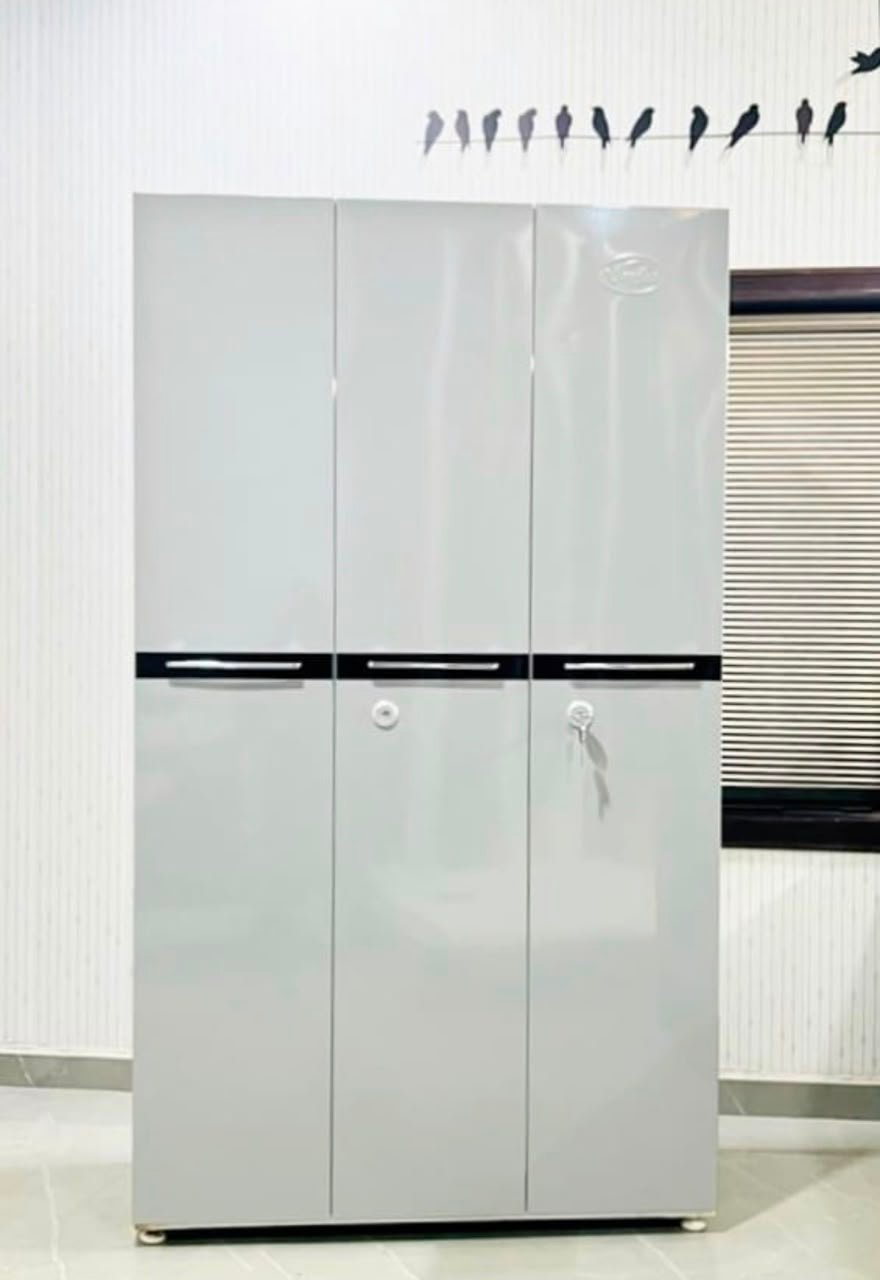
₹36,500 View Product |

₹55,500 View Product |
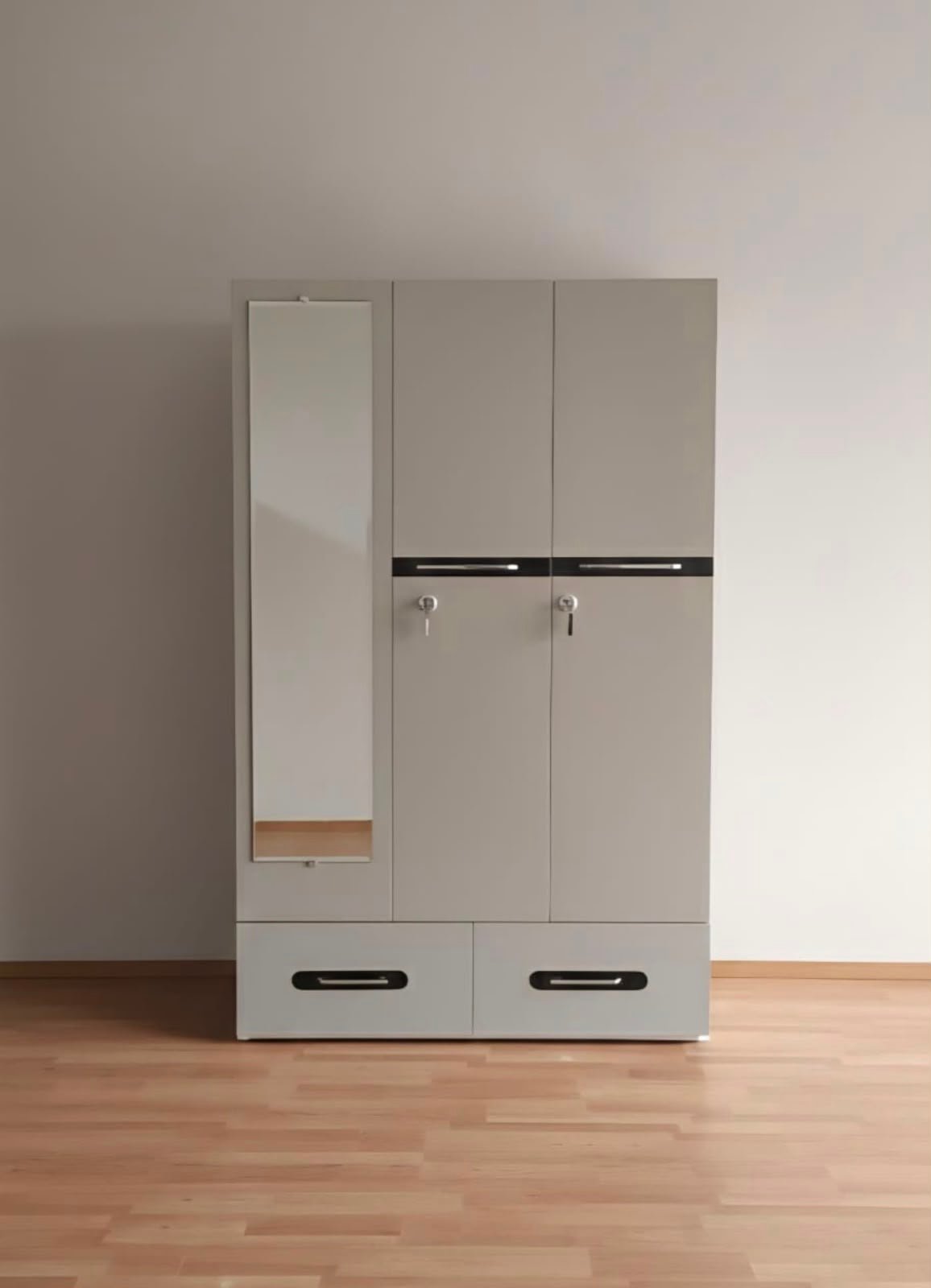
₹42,000 View Product |
Opening your almirah in the morning should feel effortless, not stressful. Yet, for many households, finding a pair of trousers or a favourite kurta often turns into a minor rescue operation. Stacks tumble over, freshly pressed shirts end up creased, and ethnic wear buried under daily basics gets completely forgotten. Mastering how to organize clothes inside an almirah is not about achieving picture-perfect aesthetic minimalism; it is about creating an intuitive, sustainable system that fits your everyday routine.
Whether you share wardrobe space with a partner or manage an extensive collection of formal, casual, and traditional clothing, a structured approach will save you time every morning while keeping your garments in pristine condition.
Step 1: The Full Empty and Declutter
Before moving a single hanger, you need a completely clean slate. Attempting to organize shelf by shelf while leaving the rest full only shifts the mess from one compartment to another.
Clear your bed or a clean floor area and empty every compartment of the almirah. As you pull each piece out, sort it into three distinct piles:
- Keep: Clothes you wear regularly, comfortable home wear, well-fitting workwear, and cherished occasional wear.
- Seasonal or Occasion Storage: Heavy winter jackets, wedding lehengas, or ornate festive sarees that do not need to sit on prime shelf space year-round.
- Donate or Discard: Garments that no longer fit, have lost their shape, or haven't been worn in over a year.
Once empty, take a damp microfibre cloth to wipe down interior shelves and corners. Starting with a clean interior gives you a fresh perspective on how much usable volume you actually have.
Step 2: Map Your Vertical Zones
A frequent mistake in wardrobe management is putting items wherever there is empty space rather than assigning purposeful zones. Successful almirah layout relies on ergonomic vertical zoning: placing what you use most where it is easiest to reach.
The Top Shelves: Infrequent and Bulky Items
The highest shelves require a stretch to reach, making them ideal for items you do not need every day. Use this upper tier for heavy blankets, spare bed linen sets, travel bags, and off-season clothing stored in breathable fabric bags. Keeping bulky items up top frees up prime middle space.
Eye-Level and Mid-Level Shelves: Daily Essentials
The area between chest and waist height is your primary real estate. Reserve these shelves for your daily rotation: work shirts, everyday kurtas, casual t-shirts, loungewear, and trousers. Because these garments are in constant circulation, having them directly at eye level prevents you from rummaging through secondary layers.
The Hanging Section: Structured and Wrinkle-Prone Garments
Hanging space should be preserved for items that crease easily or lose shape when folded. This includes formal blazers, crisp button-down shirts, delicate dresses, and heavy silk sarees hung on padded hangers. Avoid overcrowding hangers, as tight packing leads to creased collars and makes sliding garments out difficult.
Bottom Shelves and Internal Drawers: Compact Basics
The lower section of an almirah naturally collects shadows and requires bending down. Use this zone for sturdier clothing like heavy denim jeans, gym wear, and storage boxes. If your almirah includes built-in drawers, use them for intimate wear, socks, handkerchiefs, dupattas, and everyday accessories.
Step 3: Implement Space-Saving Folding Techniques
How you fold your garments directly determines how much fits inside each shelf and how easily you can pull one piece out without disturbing the rest.
The File Fold (Vertical Folding)
Traditional horizontal stacking works against you: when you pull a shirt from the bottom of a pile of eight, the entire stack collapses. Instead, use the file-folding method for t-shirts, track pants, and casual cotton tops. Fold garments into compact, neat rectangles that can stand vertically inside shallow bins or deep drawers. This approach lets you view every single option at a glance, like books on a library shelf.
Stacking by Weight and Fabric
For shelves where traditional stacking remains necessary—such as for sweaters, knitwear, and denim—always place the heaviest, thickest garments at the base of the pile. Limit your stacks to no more than four or five items. Taller piles inevitably lean, wobble, and pull neighbouring clothes along when retrieved.
Step 4: Special Care for Indian Ethnic Wear
Indian wardrobes present unique storage challenges due to heavy embellishments, zari work, delicate georgettes, and crisp cottons.
- Sarees: Refold heavy silk and zari sarees every few months along new crease lines to prevent fabric stress. Store them in breathable cotton or muslin covers rather than sealed plastic bags, which can trap ambient moisture.
- Dupattas and Stoles: Rather than letting them knot together on hangers, fold them into small rolls and place them side by side in a dedicated storage tray or drawer divider.
- Embellished Kurta Sets: Turn heavily beaded or embroidered garments inside out before folding or hanging to stop sequins from snagging adjacent garments.
Step 5: Use Organizers That Add Functional Value
Storage accessories should simplify your life, not consume valuable space. A few well-chosen aids make maintaining order much easier:
- Fabric Storage Bins: Ideal for grouping smaller items like innerwear, thermal wear, or scarves so they do not scatter across open shelves.
- Shelf Dividers: Clear or wire dividers slip onto long open shelves to keep stacks upright and distinct from one another.
- Uniform Hangers: Switching to uniform, slimline hangers instantly creates visual harmony and prevents hooks from tangling together.
Step 6: Building Sustainable Habits for Long-Term Order
The best organization system is one you can actually maintain on a busy weekday. You do not need hours of maintenance; simple micro-habits keep chaos at bay:
- The One-In, One-Out Rule: Whenever you bring a new garment into your wardrobe, consider letting go of one piece that you no longer wear.
- Put Away Immediately: Resist the urge to drape dry laundry over bedroom chairs. Take three minutes to fold or hang clothes as soon as they are ironed.
- Weekly Quick Reset: Spend five minutes on Sunday evening straightening stacks and returning stray hangers to their proper sections.
If you find that your current storage capacity simply cannot accommodate your family's needs despite disciplined organization, it may be time to evaluate your furniture. Upgrading to a thoughtfully designed wardrobe—such as the Varsha Almirah 4502 for streamlined personal use or the spacious Varsha Almirah 6001 for extensive household storage—provides the structural layout necessary to keep every garment neatly in its place. For bedrooms where dressing functionality is paramount, units with an integrated mirror, such as the 4806 MIRROR, offer convenience alongside dedicated storage. You can browse full dimensions and finishes directly in the Varsha Almirah shop, or explore more home storage guidance on our storage ideas blog.