
Shared Storage Solutions: Modern Wardrobe Ideas for Couples and Families
01 Nov 2026
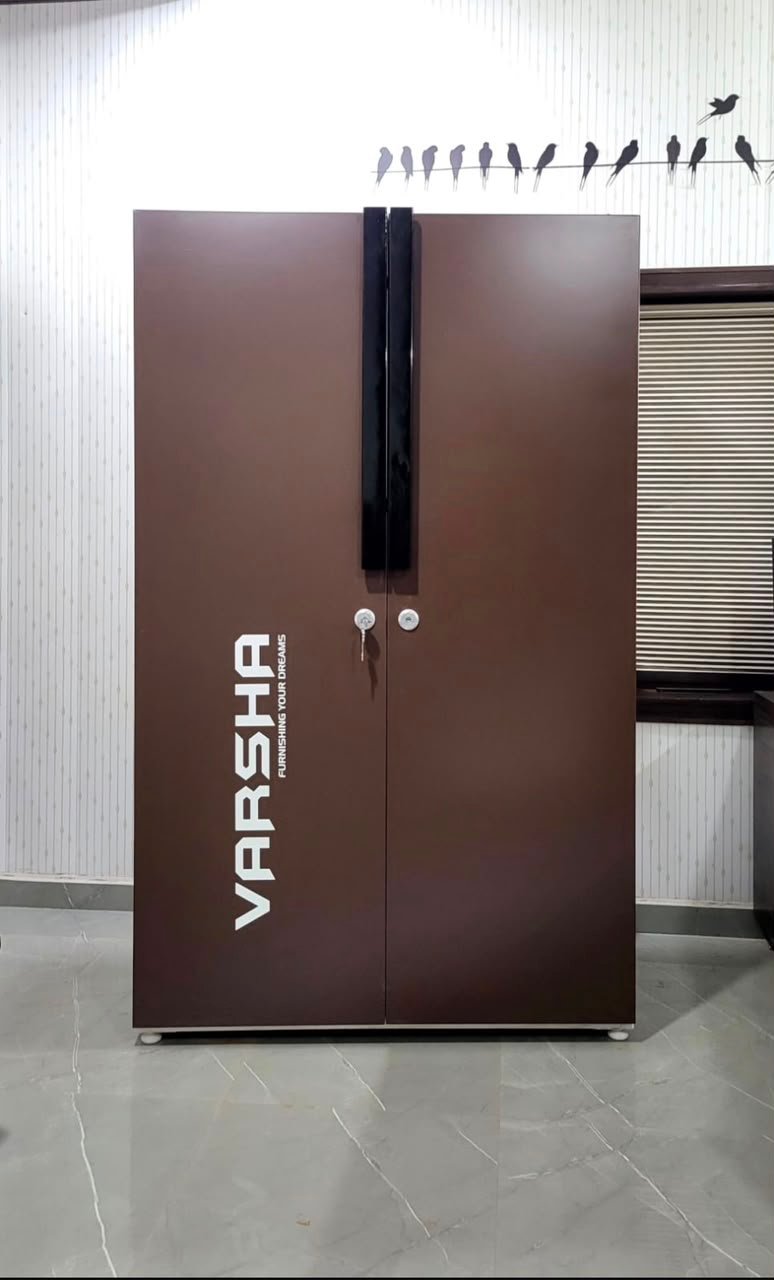
₹39,500 View Product |
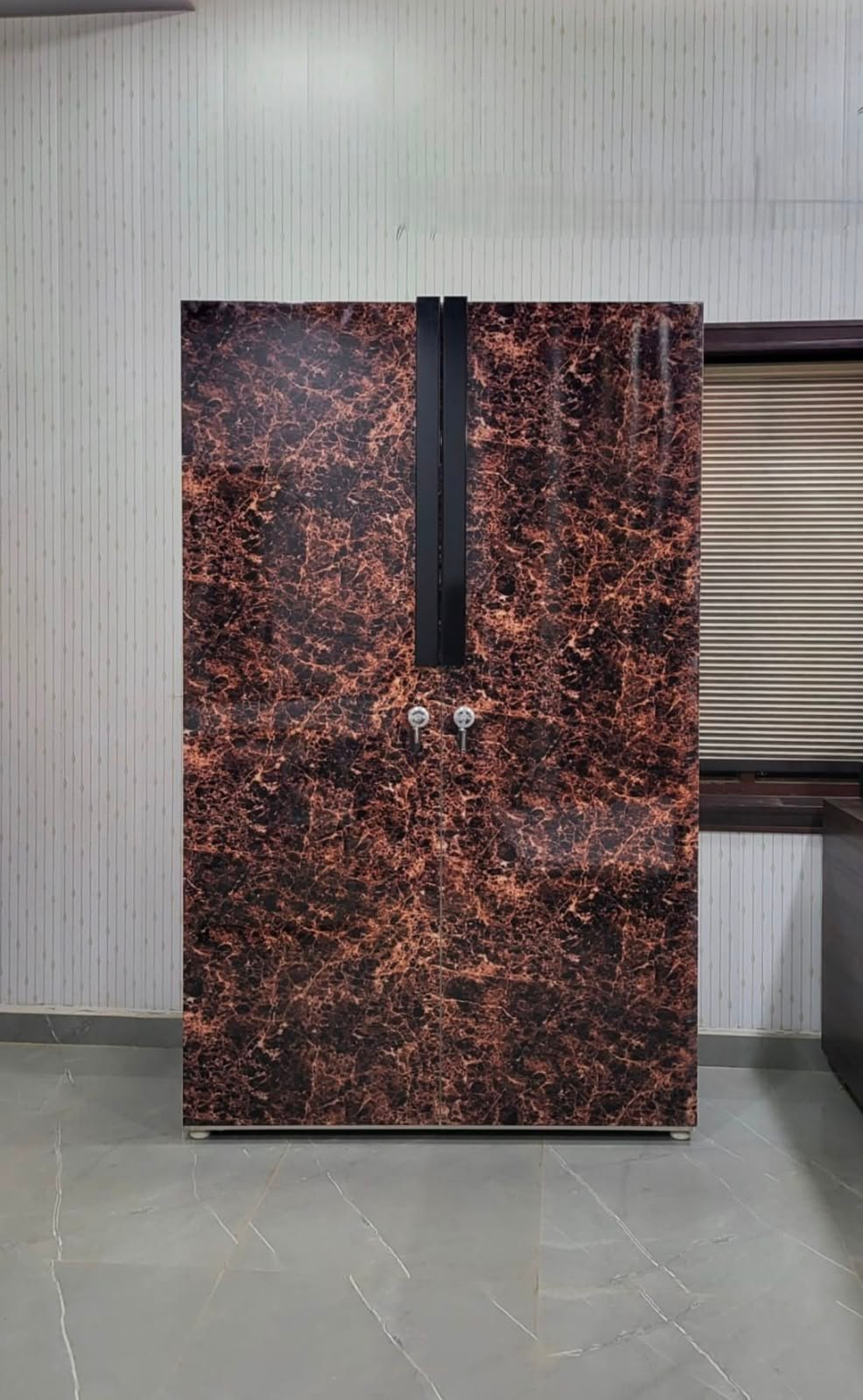
₹43,000 View Product |
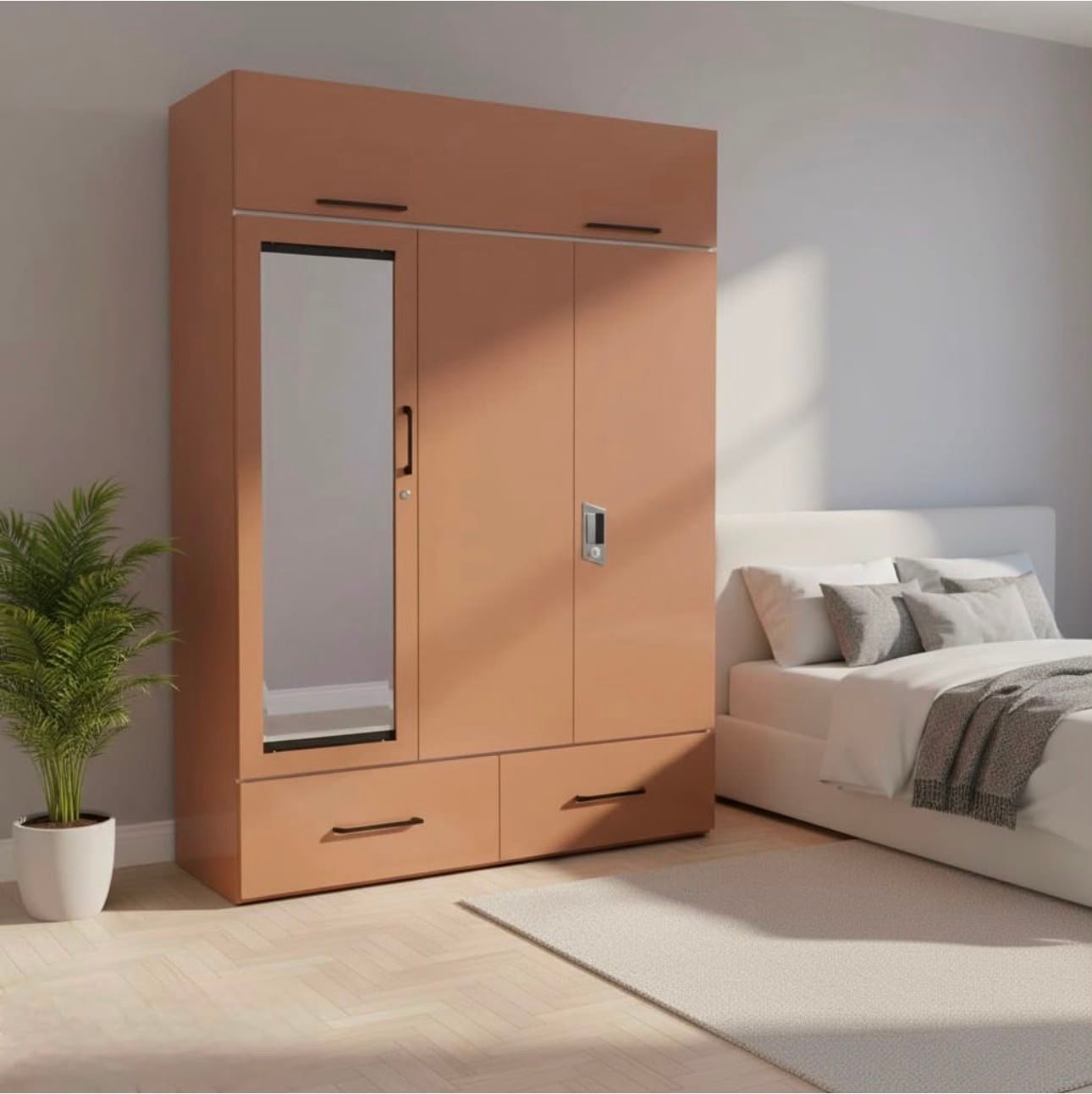
₹55,500 View Product |
Sharing bedroom storage is one of the most common everyday challenges in modern households. For couples, it often begins with a quiet battle over hanging space, shelf territory, and mismatched organizational habits. For families with young children or multi-generational households, the demand on storage multiplies rapidly, combining seasonal woollens, school uniforms, traditional ethnic attire, daily workwear, and household linens into one tight footprint.
When storage is disorganized, daily routines become rushed and stressful. Clothes end up crumpled, items get forgotten in deep corners, and the bedroom atmosphere quickly loses its calm. Implementing modern wardrobe ideas built around practical lifestyle requirements helps restore order and elegance to your room. Whether you are setting up your first home as a couple or revamping a busy family bedroom, deliberate storage planning makes all the difference.
Understanding the Realities of Shared Bedroom Storage
In most Indian homes, wardrobes are not merely places to hang a few casual shirts and trousers. They are multifaceted storage hubs that house diverse categories of items:
- Varied garment lengths: Long garments such as sarees, anarkalis, maxi dresses, and trench coats require continuous vertical drop space to avoid creasing, while formal shirts, blazers, and trousers take up shorter hanging sections.
- Folded traditional wear: Heavy silk sarees, dhotis, dupattas, and embroidered kurtas store best folded flat on sturdy shelves rather than hanging on thin hangers that stretch delicate fabric.
- Accessories and personal items: Jewellery boxes, watches, belts, cufflinks, ties, and everyday grooming kits require dedicated nooks so they do not disappear beneath stacks of apparel.
- Secure household storage: Important property papers, passports, certificates, and jewellery frequently live inside secure, lockable internal drawers or lockers within the master bedroom almirah.
Recognizing these distinct storage needs is the first step toward choosing and arranging a wardrobe that serves two or more people effectively without frequent reorganizing.
Smart Wardrobe Ideas for Couples
Couples often share a single master bedroom unit, but sharing should not mean blending everything together into an undifferentiated pile. The secret to peace in a shared wardrobe lies in clear boundaries and intuitive zoning.
1. Establish Symmetrical or Proportional Dual Zones
Rather than letting personal clothing spill randomly across every shelf, divide the wardrobe down the middle into two distinct zones. A clear left-and-right split allows each partner to maintain their own organizational system. One partner may prefer folding every t-shirt into neat bundles, while the other might prefer hanging as many garments as possible. Providing designated zones prevents friction and ensures that one person's busy week does not encroach on the other's orderly space.
If you are exploring dedicated options built around this balance, purposeful designs such as the PARTNER model (priced at ₹39,500) provide balanced side-by-side storage built specifically for dual routines. For those who want decorative bedroom aesthetics alongside dual functionality, the PARTNER UV PRINT (available at ₹43,000) adds a vibrant front design while keeping the core two-user layout intact.
2. Differentiate Daily Workwear from Occasional Wear
Morning routines run smoothly when daily essentials are within arm's reach. Reserve prime eye-level shelves and accessible hanging rails exclusively for current workwear, activewear, and casual home clothing. Occasional wedding attire, heavy winter shawls, and festival outfits should be placed higher up on top shelves or neatly packed in fabric storage bags at the bottom of the wardrobe. This keeps everyday decision-making fast and prevents delicate garments from being brushed against twice a day.
3. Incorporate Dedicated Accessory and Valuables Trays
Small everyday items often cause the greatest clutter. Use shallow drawer inserts, small divider boxes, or lidded baskets to group watches, daily jewellery, wallets, and keys. Giving each partner their own accessory organizer inside the wardrobe eliminates bathroom counter clutter and prevents items from being misplaced during the morning rush.
Wardrobe Ideas for Growing Families
When children enter the picture, household storage dynamics shift dramatically. A shared wardrobe in a family room or master suite often needs to absorb baby gear, toddler clothing, extra bedsheets, and seasonal blankets.
1. Designate Lower Shelves for Child Independence
If young children share storage space in a master bedroom or family room, assign the lowest tiers of the almirah to them. Low shelves allow toddlers and young kids to access their daily clothes and pyjamas independently, building good habits while keeping adult garments safely out of reach above. Use fabric storage bins on these lower shelves so children can easily pull out and put away their items without pinched fingers or messy piles.
2. Invest in High-Capacity Multi-Tiered Units
Families with higher overall storage demands require substantial storage volume. Stacking extra bedding, quilts, curtains, and off-season wardrobes alongside regular clothes requires spacious interior height and wide shelf spans. In such cases, spacious configurations such as the 6001 unit (available at ₹55,500) provide the deep volume and comprehensive internal storage needed to keep family essentials organized under one roof.
3. Maintain Secure, Dedicated Locking Sections
With children playing around the bedroom, safety and privacy are paramount. Internal lockers with secure key mechanisms are essential for keeping birth certificates, medical records, financial files, and family heirlooms safe from accidental spills or curious little hands. Keep essential keys in a separate, secure spot known only to adult family members.
Essential Organizational Habits for Shared Storage
Even the best furniture design relies on simple, repeatable habits to stay functional over the long term. Here are four practical practices that help keep any shared wardrobe organized:
- The Seasonal Swap: Twice a year, rotate off-season garments into upper compartments or storage containers. Keep only the items relevant to the current weather on primary hanging rods and main shelves.
- One Type of Hanger: Uniform hangers keep clothes hanging at an even height, maximize rail capacity, and immediately reduce visual noise in a shared space.
- Labelled Bins for Linens: Clearly mark fabric storage boxes for items like "Guest Towels," "Fitted Sheets," and "Pillow Covers." This prevents family members from unpacking three stacks of laundry to find one pillowcase.
- Regular Decluttering: Every few months, conduct a quick 15-minute review of worn-out or outgrown clothing. Donating or repurposing unused items preserves precious space for the things your family actually wears.
Selecting the Right Wardrobe for Your Bedroom
Before purchasing a new wardrobe, measure your room carefully. Account for door swing clearances, proximity to the bed, and pathway flow so that open doors do not block walking routes. You can browse the diverse collection available at the Varsha Almirah shop to evaluate various sizes, layouts, and styles suited to your specific floor plan.
By blending deliberate internal organization with the right furniture choice, couples and families can turn everyday wardrobe sharing from a source of daily frustration into a calm, functional part of the home. For more home storage guides and design tips, explore the Varsha Almirah blog.