
Space-Smart Storage Solutions for Compact Indian Homes: How to Organize Every Square Foot
01 Nov 2026
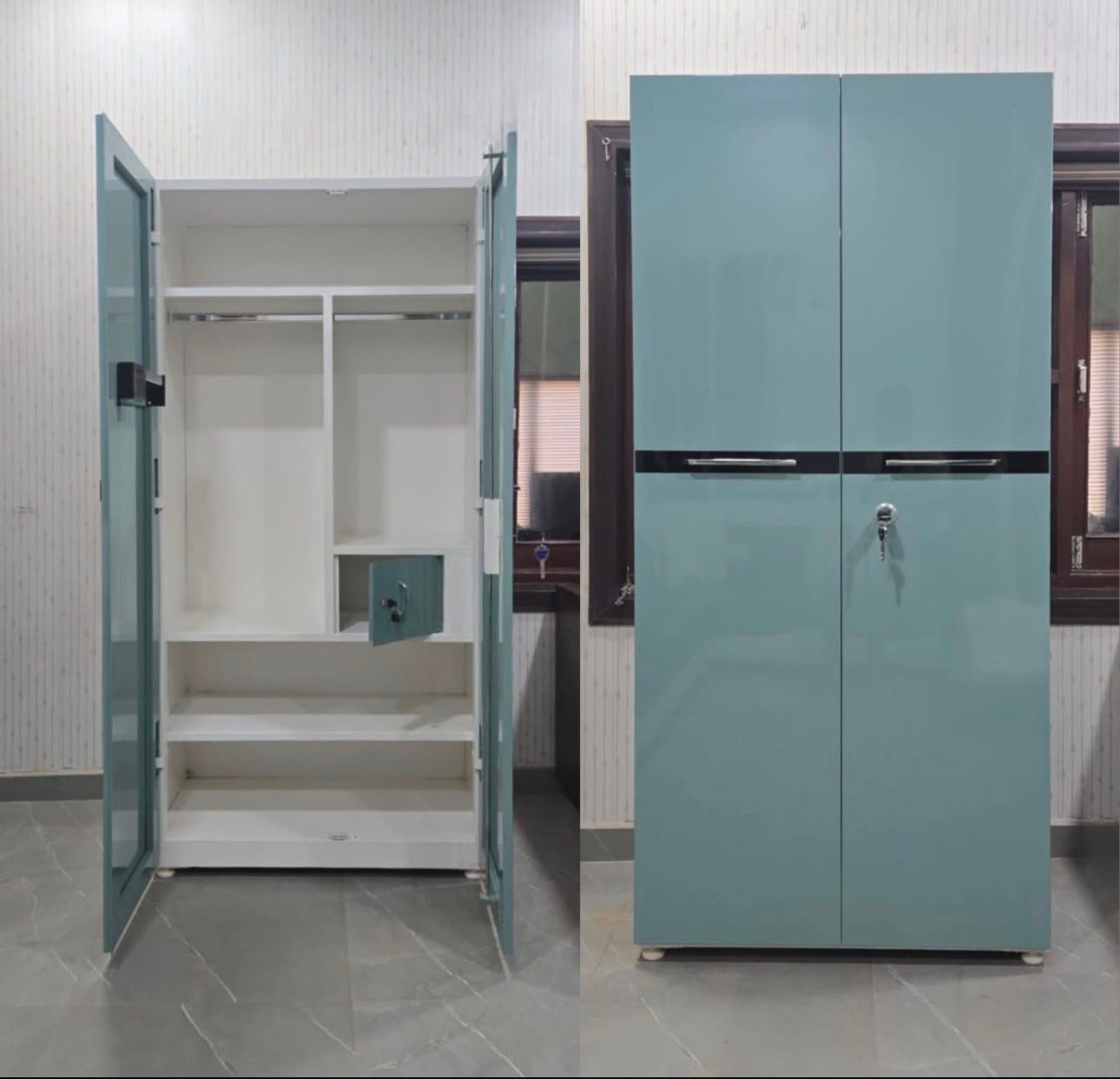
₹25,500 View Product |
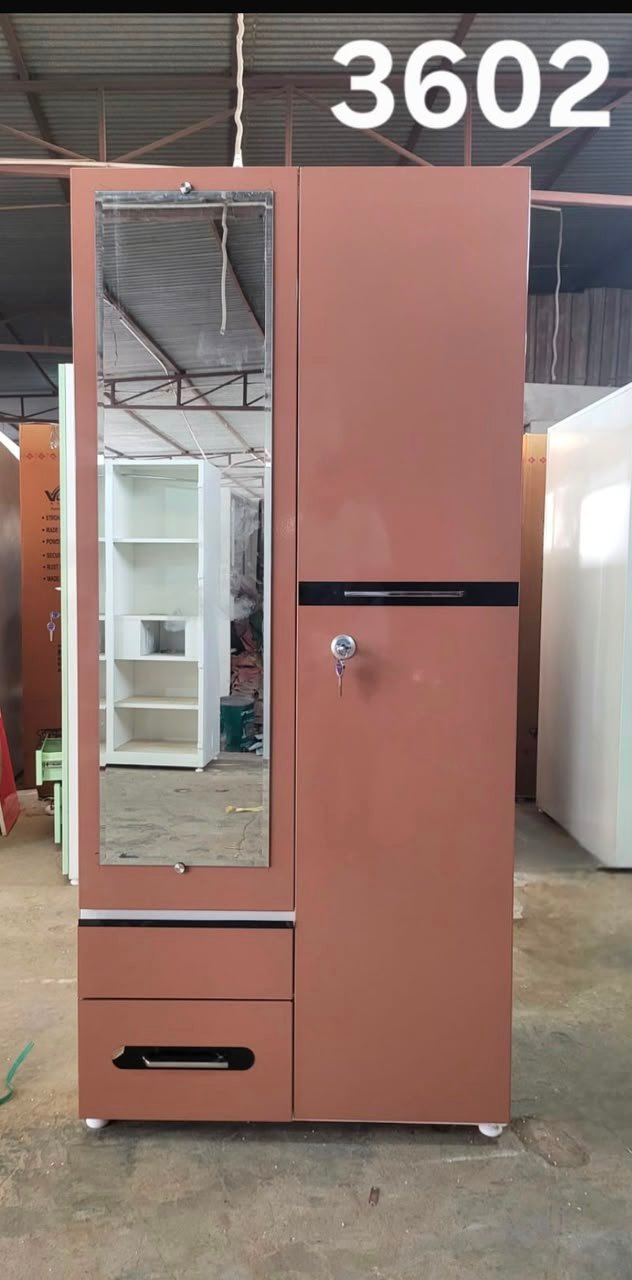
₹30,500 View Product |
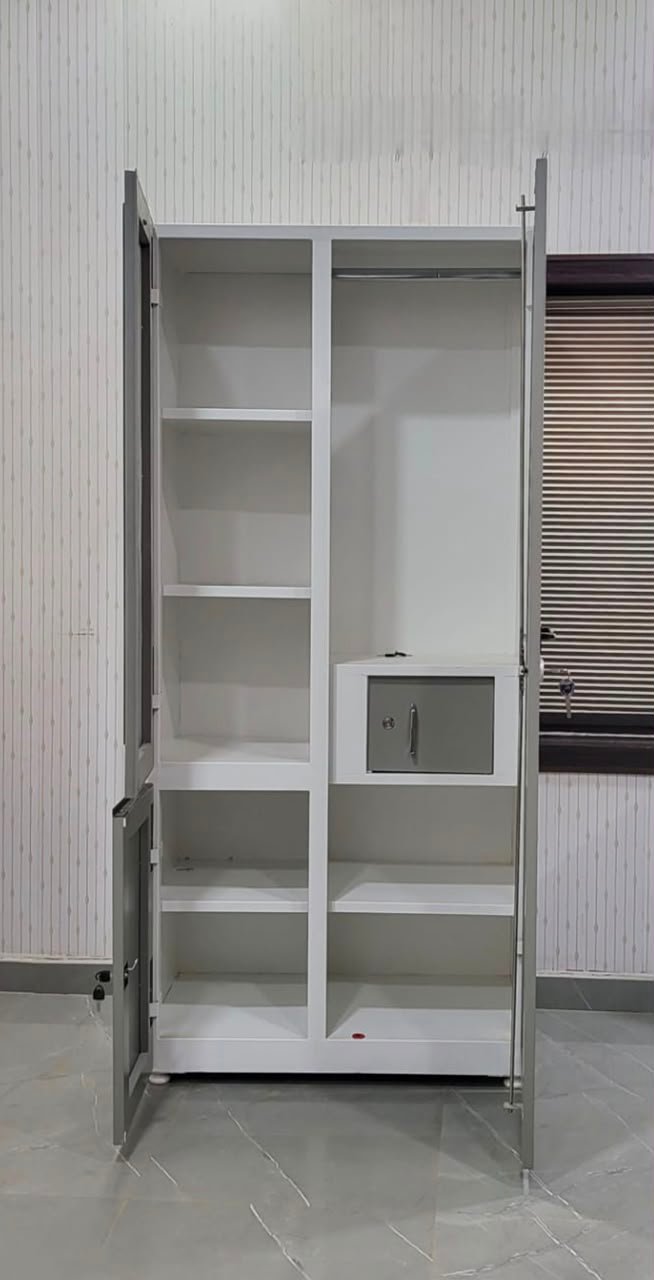
₹29,500 View Product |
In fast-growing Indian metropolitan cities and urban centres, compact living has become the standard. Whether you are settling into a 1BHK in Mumbai, a studio apartment in Bengaluru, or a cosy 2BHK in Delhi NCR, managing floor space while accommodating everyday belongings is an ongoing priority. Between heavy ethnic wear, formal office attire, winter quilts, seasonal suitcases, and daily household utilities, finding a dedicated spot for everything can quickly feel overwhelming.
Creating an organized, breathable home in a smaller floor plan comes down to adopting functional design principles. When square footage is limited, the key is to prioritize vertical space, streamline large furniture pieces, and maintain dedicated storage zones. Here is a comprehensive guide to the best storage solutions for compact Indian homes.
Understanding the Storage Realities of Indian Households
Indian households present distinct storage requirements that generic interior design advice often overlooks. Unlike Western layouts that rely heavily on walk-in closets and large basements, Indian apartments typically operate with self-contained bedroom setups and compact storage alcoves. Key items that demand substantial room include:
- Heavy Textiles and Ethnic Wear: Sarees, sherwanis, and embroidered lehengas require hanging height or wide, flat shelving to prevent fabric creasing.
- Bedding and Linens: Thick cotton mattresses, dohars, and winter razais take up substantial volume and need secure storage away from dust and seasonal dampness.
- Luggage and Travel Bags: Strolleys, duffels, and travel gear need to stay tucked out of sight when not in use.
- Pooja and Festive Supplies: Brassware, festive decor, and special dinnerware sets used during Diwali or family gatherings.
Without an intentional storage system, these items spill over onto chairs, open tables, and bedside corners, causing visual and physical clutter. Selecting thoughtfully structured storage units is the first step toward restoring order.
Prioritize Vertical Height Over Floor Footprint
When floor area is scarce, your walls are your most valuable asset. Bulky horizontal cabinets consume walkable space, making bedrooms feel cramped and difficult to navigate. Instead, opt for taller furniture units that draw the eye upward and utilize the full vertical clearance of the room.
High-standing steel wardrobes and almirahs provide expansive internal volume without protruding far into your living or sleeping area. By utilizing overhead shelving for infrequently accessed items—such as winter quilts or travel suitcases—you free up lower shelves and hanging rods for daily outfits, school uniforms, and workwear.
Choosing Streamlined Almirahs for Tight Layouts
A central challenge in smaller bedrooms is ensuring comfortable clearance around furniture. Wardrobes must fit comfortably without blocking door swings, window access, or pathway clearance between the bed and walls.
For rooms where every inch counts, narrower yet deep wardrobe profiles offer an ideal balance. Rather than attempting to fit oversized three-door or four-door units into tight spaces, compact two-door steel almirahs offer generous depth while maintaining a disciplined width. Models such as the Varsha Almirah 3601 and Varsha Almirah 3602 provide structured internal organization while preserving precious floor area. If you need a balanced layout tailored to everyday essentials, exploring the Varsha Almirah 3604 offers another compact option that fits comfortably into smaller rooms.
You can browse the complete collection of compact and full-sized models directly in the Varsha Almirah shop to compare measurements and layouts that match your specific bedroom floor plan.
Maximize Internal Organization Within Your Wardrobe
Having a wardrobe is only half the battle; how you organize the interior determines how much it can actually hold. A few deliberate organization tactics can effectively double your usable storage capacity:
1. Categorize by Frequency of Use
Divide your almirah into three distinct vertical zones:
- Top Shelves: Ideal for lightweight storage bins, vacuum-packed seasonal garments, spare bedsheets, and blankets.
- Eye-Level and Mid Sections: Reserved for daily-wear clothing, formal shirts, work trousers, and everyday accessories that you access on busy mornings.
- Bottom Shelves and Base: Suited for heavier items, secure lockers, footwear boxes, or folded jeans and utility textiles.
2. Incorporate Slim Hangers and Tiered Organizers
Bulky wooden or plastic hangers consume unnecessary horizontal rod space. Switching to uniform, ultra-slim velvet or metal hangers allows you to hang more clothes neatly without jamming the rail. For dupattas, stoles, and ties, multi-tier loop hangers keep accessories visible and wrinkle-free.
3. Use Transparent or Labelled Bins
Deep shelves can sometimes become black holes where smaller items get pushed to the back and forgotten. Fabric organizer bins or clear acrylic containers allow you to pull out an entire category of items—such as socks, innerwear, or winter caps—without disturbing the rest of the shelf.
Smart Furniture Placement in Compact Bedrooms
Where you place your storage units directly influences how spacious your home feels. Here are practical placement tips for compact homes:
- Utilize Wall Recesses: Many Indian apartments feature natural architectural recesses or alcoves. Measuring these niches precisely and placing a tailored almirah inside creates a built-in look that leaves the main perimeter of the room unobstructed.
- Keep Clear Doorways: Ensure that the wardrobe door can open fully without colliding with the bed frame, side table, or bedroom door. Measure both the closed depth and open-door clearance before finalizing furniture placement.
- Position Near Natural Light: Placing your wardrobe adjacent to a window—rather than directly opposite it—ensures that incoming sunlight illuminates your clothing without casting harsh shadows or causing glare.
Daily Habits to Prevent Clutter from Returning
Even the best storage solutions require consistent upkeep. In small homes, clutter accumulates quickly if habits are not maintained. Establishing a few simple routines keeps your space functioning smoothly:
- Seasonal Rotations: At the onset of summer or winter, spend an hour swapping seasonal clothing. Move off-season items into storage bags on higher shelves to keep active shelves tidy.
- The 'One In, One Out' Principle: For every new garment or household accessory brought into the home, consider donating or retiring an older item that is no longer in use.
- Evening Reset: Take five minutes before bed to return loose items, bags, and outerwear to their designated storage spots instead of leaving them on chairs or counters.
For more home organization ideas, storage advice, and furniture selection guides, visit the Varsha Almirah blog to discover practical tips designed for modern living.